Introduction: Taking Control of Your Sexual Health

In the decades-long fight against HIV, science has delivered a tool that is nothing short of revolutionary. It is called PrEP (Pre-Exposure Prophylaxis).

For years, fear was often a constant companion to intimacy for many communities. The anxiety of potential transmission could overshadow the joy of connection. Today, PrEP changes that narrative entirely. It offers a way to love, explore, and live with profound peace of mind. However, despite its proven track record and widespread availability, there is still significant confusion about what PrEP actually is, the biological mechanism behind how it works, and how to access it without facing stigma or bureaucratic hurdles.

Whether you are exploring PrEP for the first time, looking to switch to a more convenient provider, or simply want to educate yourself to support a partner, this guide covers everything you need to know in depth.

1. What is PrEP?

PrEP stands for Pre-Exposure Prophylaxis.

  • "Pre" means before.

  • "Exposure" means coming into contact with HIV.

  • "Prophylaxis" is a medical term for a treatment designed to prevent a disease from happening, rather than treating it after it occurs.

Simply put, PrEP is a biomedical intervention—usually a daily pill—taken by people who are HIV-negative to protect themselves from acquiring HIV. Think of it like the birth control pill, but for HIV prevention. When taken as prescribed, it creates a robust protective shield around your immune system cells, making it virtually impossible for the virus to take hold.

Is PrEP the same as treatment for HIV?

No, and this is a crucial distinction. PrEP is exclusively for people who do not have HIV.

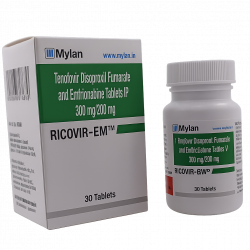
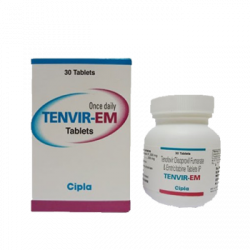
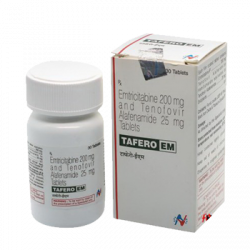
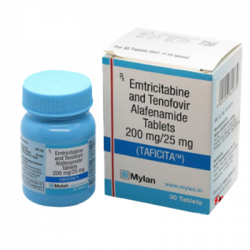
While the medications used for PrEP (most commonly brand names like Truvada® or Descovy®, and their generic equivalents) contain the same active antiretroviral ingredients used to treat people living with HIV, the purpose is different. In treatment, these drugs suppress an existing virus. In PrEP, they act as a chemical barrier to prevent the virus from ever establishing an infection in the first place.

2. How Effective is PrEP?

When it comes to effectiveness, the data is overwhelming. PrEP is one of the most effective preventive medications in modern history. According to rigorous studies and data from the CDC (Centers for Disease Control and Prevention):

  • Sexual Transmission: For people who take PrEP daily, the risk of getting HIV from sex is reduced by roughly 99%. This makes it statistically more effective than condoms alone in preventing HIV (though condoms prevent other STIs).

The Importance of Adherence

It is important to understand that PrEP is not a vaccine; it does not stay in your system forever after one dose. It works based on concentration levels in your blood and tissues.

  • Optimal Protection: Protection reaches its maximum level for anal sex after about 7 days of daily use for maximum protection levels to be reached in the body's tissues.

  • Consistency is Key: PrEP works best when you take it every single day. Missing doses can lower the level of medicine in your body, potentially reducing its effectiveness.

3. Who is PrEP For?

PrEP is for anyone who wants to take an active, empowered role in their sexual health. The medical guidelines for prescribing PrEP have evolved significantly. It is not about who you are (your identity); it is about what you do (your behavior) and your desire for protection.

You might be a strong candidate for PrEP if:

  • Relationship Dynamics: You have a partner who is HIV-positive (especially if their viral load is detectable or unknown).

  • Barrier Usage: You don't always use condoms, or you experience anxiety about condoms breaking or slipping off during sex.

  • Sexual History: You have multiple sex partners or engage in anonymous sex where the HIV status of partners is unknown.

  • Recent Infections: You have been diagnosed with another sexually transmitted infection (STI) like gonorrhea, chlamydia, or syphilis in the past 6 months. This is a biological marker that indicates you are engaging in sexual networks where HIV might be present.

  • Peace of Mind: You simply want to eliminate the anxiety surrounding HIV. Many people take PrEP simply to feel safer and more confident in their sex lives, which is a valid medical reason.

Breaking the Stigma: There is no specific "type" of person who takes PrEP. Taking PrEP is a responsible decision, much like wearing a seatbelt, applying sunscreen, or taking daily vitamins. It shows you care about your health and the health of your partners.

4. How Does PrEP Work? (The Science)

To understand PrEP, imagine HIV as an intruder trying to break into a house (your body) and make photocopies of itself.

  1. The Intruder (Entry): When HIV enters the bloodstream, it targets your immune system's CD4 cells (T-cells). To take over the cell, the virus needs to copy its genetic material using an enzyme called reverse transcriptase.

  2. The Shield (Blockade): The drugs in PrEP (Tenofovir and Emtricitabine) are what scientists call Nucleoside Reverse Transcriptase Inhibitors (NRTIs). They act like dummy building blocks. When the HIV virus tries to use its enzyme to build new virus copies, it accidentally grabs the PrEP medication instead of the biological material it needs.

  3. The Result (Dead End): This gums up the works. The viral replication process is halted instantly. Because the virus cannot replicate, it cannot establish a permanent infection in your body and eventually dies off or is cleared by the immune system.

5. Common Side Effects & Management

PrEP is generally very safe and well-tolerated. It has been used by hundreds of thousands of people worldwide. Most people experience zero side effects. However, as with any medication, your body may need time to adjust.

Short-term "Start-up" Symptoms

These occur in a minority of users and typically vanish within the first few weeks (the "startup syndrome"):

  • Mild nausea or queasiness

  • Headaches

  • Fatigue or tiredness

  • Stomach upset or loose stools

Tip for Management: If you experience nausea, try taking your pill with a meal or right before you go to sleep. Sleeping through the peak absorption time often eliminates the feeling of nausea.

Long-term Considerations

In rare cases, PrEP can affect kidney function or bone density.

  • Kidneys: The medication is filtered through the kidneys. Slight changes in kidney markers can happen, which is why regular testing is required. These changes are almost always reversible if the medication is stopped.

  • Bones: A very small decrease in bone mineral density can occur, but it is generally not clinically significant and does not lead to fractures in healthy individuals.

This is why getting PrEP through a legitimate provider is crucial—we don't just sell you pills; we monitor your labs to ensure your body remains 100% healthy while on the medication.

6. Generic PrEP vs. Brand Name

Is generic PrEP as good as the expensive brand name? Yes, absolutely.

Generic versions of Truvada (containing Emtricitabine and Tenofovir Disoproxil Fumarate) are chemically identical to the brand-name drug. They contain the:

  • Same active ingredients

  • Same dosage strength

  • Same safety profile

  • Same effectiveness

The only major difference is the price and the look of the pill. Brand-name drugs are expensive to cover the pharmaceutical company's research and marketing costs. Once patents expire, generic manufacturers can produce the drug at a fraction of the cost.

At GetOnPrEP, we specialize in making these accessible, high-quality generic medications available without the massive markup of traditional pharmacies. We believe price should never be a barrier to HIV prevention.

7. Does PrEP Protect Against Other STIs?

No. PrEP is highly specific; it only protects against HIV.

It provides zero protection against Gonorrhea, Chlamydia, Syphilis, Herpes, or Hepatitis C. In fact, because PrEP users are often responsible about their sexual health, they tend to get tested more often, leading to higher detection rates of these treatable STIs.

The "Prevention Stacking" Strategy: Many users choose to combine PrEP with other tools:

  • PrEP + Condoms: Offers protection against HIV, STIs, and unwanted pregnancy.

  • PrEP + DoxyPEP: Some users are now using Doxycycline Post-Exposure Prophylaxis (DoxyPEP) to prevent bacterial STIs, though this should be discussed with a doctor.

  • PrEP + Regular Testing: Getting screened every 3 months ensures that if you do catch an STI, it is treated immediately before it causes harm or is passed to others.

Tip: When you subscribe to a PrEP service, ask if they offer comprehensive STI testing kits to handle everything from home.

8. How to Get PrEP: The Traditional Way vs. The Modern Way

Accessing PrEP shouldn't be a battle. Unfortunately, the traditional healthcare system often makes it one.

The Traditional Route (The Hard Way)

  1. Appointment Lag: You must book an appointment with a GP or specialist, often waiting weeks for a slot.

  2. The "Talk": You have to have a face-to-face conversation about your sex life, potentially facing judgment or awkward questions from a doctor not trained in sexual health.

  3. The Runaround: You get a referral slip to go to a separate lab for blood work.

  4. The Follow-up: You go back to the doctor days later to review results and get the prescription.

  5. The Pharmacy Line: You stand in line at a public pharmacy to pick up your medication, risking privacy breaches.

The GetOnPrEP Way (The Easy Way)

We digitized the entire process to respect your time and privacy.

  1. Order Online: Simply select your plan at GetOnPrEP.com.

  2. Discreet Consultation: Complete a secure digital health assessment. Our licensed medical team reviews your history remotely.

  3. Lab Integration: We guide you on how to get your necessary labs done easily (or accept recent results you already have).

  4. Fast Delivery: We ship your medication in completely discreet, unmarked packaging directly to your door.

No waiting rooms. No judgment. No taking time off work. Just protection.

9. Frequently Asked Questions (FAQ)

Yes, you can stop PrEP if your risk changes, but you must do it correctly. Generally, you should continue taking it for 28 days after your last potential exposure to ensure any virus in your system is eliminated. Always consult your provider before stopping to create a safe exit plan.

This is an alternative dosing schedule for anal sex only. It involves taking 2 pills 2-24 hours before sex, 1 pill 24 hours after the first dose, and 1 pill 24 hours after that. Warning: This method is not FDA-approved for vaginal sex / frontal sex due to biological differences in drug absorption. It requires strict adherence and doctor supervision.

PrEP does not have significant chemical interactions with alcohol or most recreational drugs. Alcohol will not reduce the effectiveness of the pill. However, heavy substance use can lead to forgetting to take your daily dose, which does reduce effectiveness.

Conclusion: Start Your Journey Today

HIV is no longer a roll of the dice. We are living in an era where you have the power to protect yourself and your partners with a simple daily habit. PrEP is safe, scientifically proven, and now, easier to access than ever before.

Don't let logistics, fear, or stigma stand in the way of your health. You deserve a sex life free from fear.

Ready to get started? Visit getonprep.com today. Get your assessment, get your meds, and get on with your life—worry-free.